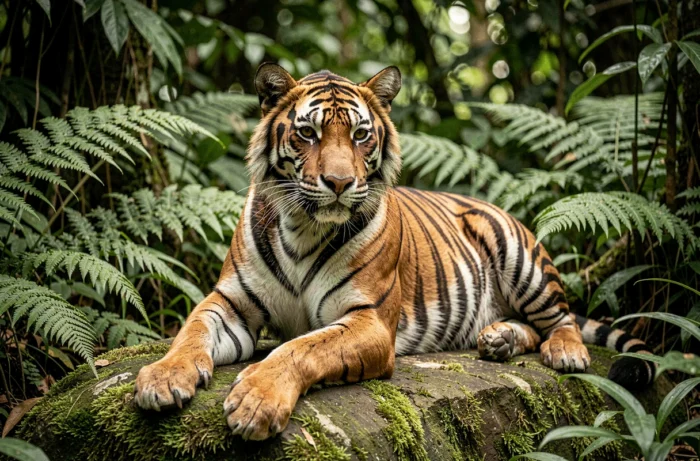
The animal kingdom encompasses several million described species, from microscopic invertebrates to large terrestrial mammals. Each zoological group occupies a specific ecological niche, shaped by millions of years of evolution. Understanding animal diversity means first grasping how species interact with one another, with their environment, and with the health threats currently facing wildlife.
Health Monitoring of Wild Animals: the “One Health” Approach
The health of wildlife is not limited to the conservation of endangered species. It directly concerns human health and that of domestic animals. This is the principle of the “One Health” framework, which links veterinary epidemiology, human medicine, and ecology.
The World Organisation for Animal Health (WOAH) published guidelines in September 2026 dedicated to investigating disease outbreaks in wild animals. These recommendations are aimed at national and local authorities responsible for the early detection of health episodes.
The WOAH situation report covering the first quarter of 2026 details exceptional reports from around the world. Two diseases dominate significantly: highly pathogenic avian influenza and African swine fever. Together, these two diseases accounted for the vast majority of reported outbreaks during this period, affecting a total of 152 wild species, some of which are classified as threatened according to the IUCN Red List.
To deepen the understanding of the species affected by these issues, the fact sheets dedicated to animals on Univers Animaux detail the biological characteristics of many zoological groups.
Threatened Wild Species: Beyond Large Mammals
Conservation programs often highlight large mammals: tigers, elephants, gorillas. The reality of threatened biodiversity is broader and more discreet.
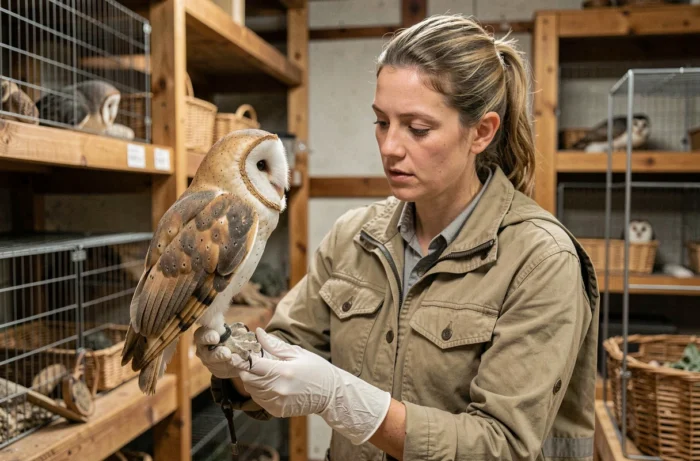
Birds and Raptors Under Pressure
Wild birds are among the groups most affected by recent epidemics. Highly pathogenic avian influenza does not only affect farms: it decimates entire colonies of seabirds and raptors. Raptors occupy the top of the avian food chain, which exposes them to contamination through accumulation via their prey.
The loss of natural habitat amplifies the problem. As wetlands recede, migratory birds concentrate in reduced areas, accelerating the transmission of pathogens.
Insects and Spiders: Invisible Biodiversity
Insects represent the majority of known animal species. Spiders, while fewer in terms of species, play a role in regulating insect populations in most terrestrial ecosystems.
The decline of pollinator insects has direct repercussions on food production and plant diversity. This decline then affects species that depend on these insects for food: insectivorous birds, bats, amphibians.
Domestic Animals: Daily Nutrition and Health
The relationship between humans and animals is not limited to observing nature. Dogs and cats share the daily lives of millions of households. Their health largely depends on concrete choices regarding nutrition and veterinary care.
- An adult cat’s diet must meet its needs for animal proteins, which are significantly higher than those of a similarly sized dog, as the cat is a strict carnivore
- Large dogs have specific needs for calcium and phosphorus during their growth to limit joint risks in adulthood
- The dietary transition (changing kibble or switching to wet food) should be done gradually over several days to avoid digestive issues
Regular veterinary follow-up remains the most reliable way to detect silent pathologies in both dogs and cats. Kidney diseases in cats, for example, can progress for a long time without visible symptoms.
Preparation for Animal Epidemics: Anticipate Rather Than React
The management of animal health crises is evolving. WOAH now promotes a logic of anticipation, based on risk analysis and the establishment of early warning systems, rather than a response triggered after the appearance of an outbreak.
Anticipation relies on the continuous monitoring of wild populations, combined with rapid reporting protocols between countries. When an outbreak of African swine fever is detected in wild boars in a region, neighboring pig farms can be protected before the disease crosses the barrier between wildlife and farm animals.
This approach requires coordination between veterinary services, natural park managers, and diagnostic laboratories. The guidelines published by WOAH in 2026 formalize this chain of responsibilities, emphasizing the training of field actors in sample collection and identification of clinical signs in wildlife.
What This Means for Conservation
Health monitoring strengthens the protection of threatened species. Identifying a disease outbreak in a population of raptors or rare mammals allows for intervention before the episode becomes critical for the species’ survival.
- Natural parks are gradually integrating health monitoring protocols into their management plans
- Field data feeds into international databases that allow for the detection of epidemiological trends across entire continents
- Collaboration between neighboring countries accelerates the detection of transboundary diseases, particularly for migratory species
Animal diversity, whether concerning the wildlife of natural parks or the pets of daily life, relies on a balance that health and environmental pressures threaten. Protecting animal species requires coordinated monitoring on a global scale, rigorous veterinary follow-up for domestic animals, and a better understanding of species interactions within each ecosystem.