Dancharia occupies a narrow strip of Navarre territory, wedged between the Ainhoa customs on the French side and the Baztan valley on the Spanish side. The village owes its notoriety to the ventas, these border shops where tax-free prices attract a steady flow of visitors from the French Basque Country.
Most articles on the subject focus on shopping and the savings achievable in an afternoon. The question that deserves to be asked is different: does Dancharia have anything to offer beyond this shopping excursion, especially in the low season or for a multi-day stay?
Dancharia in winter: a viable destination beyond summer shopping
The influx to Dancharia follows a marked seasonal pattern. Summer and spring weekends concentrate most visitors, drawn by the shops and the proximity to the beaches of the Basque coast. In winter, the picture changes. The ventas remain open, but the pace slows down, and the village regains a calm that regulars of the high season do not suspect.
For those considering discovering Dancharia in Spain outside the summer period, the context is that of the Baztan valley. This valley encompasses several characterful villages, including Elizondo, Amaiur, and Zugarramurdi, accessible within a few minutes’ drive from Dancharia. Winter brings low mountain landscapes shrouded in mist, bare beech forests, and an atmosphere that has nothing to do with commercial tourism.
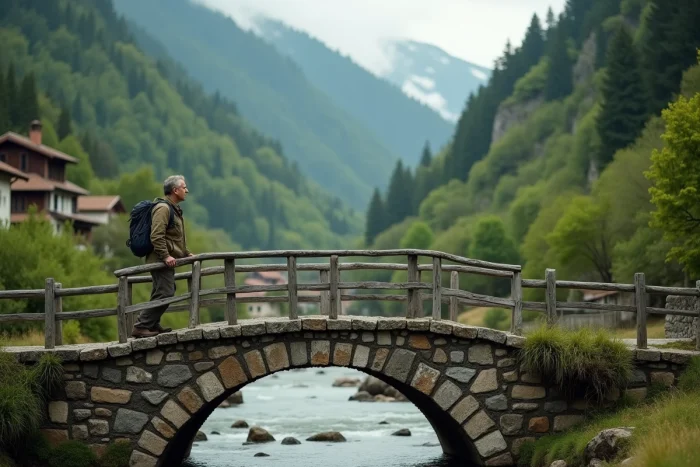
Field reports diverge on this point: some winter visitors find the dining and accommodation options too limited in Dancharia itself to justify a prolonged stay. Others consider the village a practical base camp, provided they expand the perimeter to the neighboring municipalities of Baztan. Dancharia alone is not enough for a multi-day stay, but integrated into an itinerary in the valley, it takes on a different meaning.
Ventas and Basque products: what low prices don’t reveal
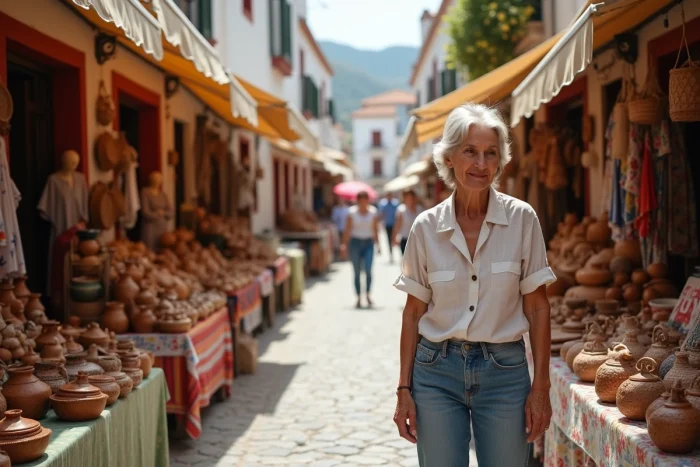
The ventas of Dancharia offer a range of products at reduced prices compared to the French market: alcohol, tobacco, Basque local products, textiles. This price differential is based on Spanish taxation, which is lower on certain categories of goods. Crossing the border does not mean an absence of rules.
Customs regulations govern the quantities transportable between Spain and France. For tobacco and alcohol, there are thresholds, and checks near the border are not uncommon. Ignoring these limits exposes one to the seizure of goods and fines. Available data do not allow for quantifying the exact frequency of checks, but their existence is a parameter to consider in any shopping excursion.
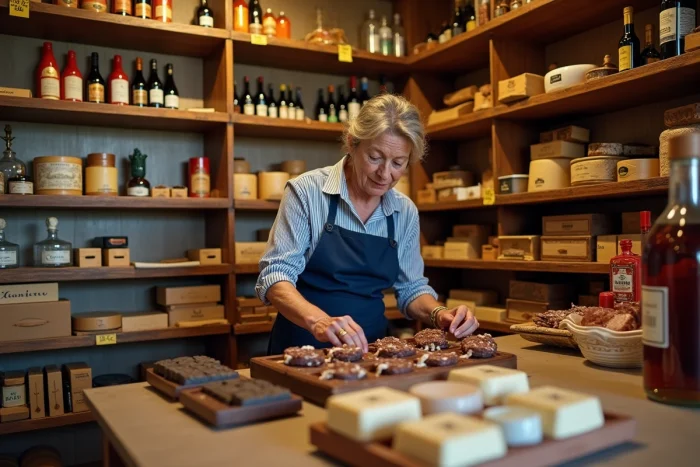
- Basque local products (cheese, Espelette pepper, charcuterie, preserves) represent the most interesting purchase in terms of value for money and taste discovery.
- Alcohol and tobacco attract a specific clientele, but actual savings depend on the allowed quantities and the type of product.
- The shops also offer household items, linens, and cosmetics, with variable price differences depending on the brands.
The most reliable savings are on local food products, which are less subject to customs restrictions and often of higher quality than what is found in nearby French supermarkets.
Baztan Valley and Otxondo Pass: the hinterland that Dancharia allows access to
Reducing Dancharia to its ventas ignores its geographical position. The village is located at the entrance to the Baztan valley, one of the most preserved valleys in Navarre. From Dancharia, the road to Otxondo Pass offers an accessible mountain route, with views of the western Pyrenean ridges.
Zugarramurdi, a few kilometers away, is home to caves known for their connection to the history of Basque witchcraft. Elizondo, the capital of the valley, offers well-preserved traditional Navarre architecture, restaurants serving good Basque cuisine, and a weekly market. The Baztan transforms a shopping excursion into a true journey for those willing to go beyond the perimeter of the ventas.
For hikers, the trails around Otxondo Pass and in the valley’s forests are passable for much of the year. Winter brings mud and fog, but rarely blocking snow at these altitudes. Spring and autumn remain the most favorable seasons for walking.
Accommodation and dining in Dancharia: the concrete limits of a border village
The accommodation options in Dancharia itself are limited. A few establishments exist, but the choice remains restricted compared to Elizondo or the coastal municipalities of the French Basque Country. For a multi-night stay, Elizondo or Espelette offer more accommodation options than Dancharia, while still being a short distance away.
On the dining side, the ventas often include fast food areas or pintxos bars. The cuisine is decent, focused on local products, but the gastronomic experience is found more in the surrounding villages. The restaurants in Elizondo or Amaiur offer menus centered around suckling pig, sheep’s cheese, and seasonal vegetables.
- For a day, Dancharia is sufficient: shopping in the morning, lunch on-site, a walk to Otxondo Pass in the afternoon.
- For two to three days, combining Dancharia with the Baztan valley and accommodation in Elizondo or Espelette is the most realistic option.
- For an extended stay in winter, available data suggest that the local offer remains insufficient without a vehicle and without expanding the perimeter.
Dancharia works better as a gateway than as a standalone destination. The village draws its strength from its border position and its proximity to sites that, in themselves, justify a stay. Visitors who return regularly understand this: you come for the ventas, you stay for the Baztan.