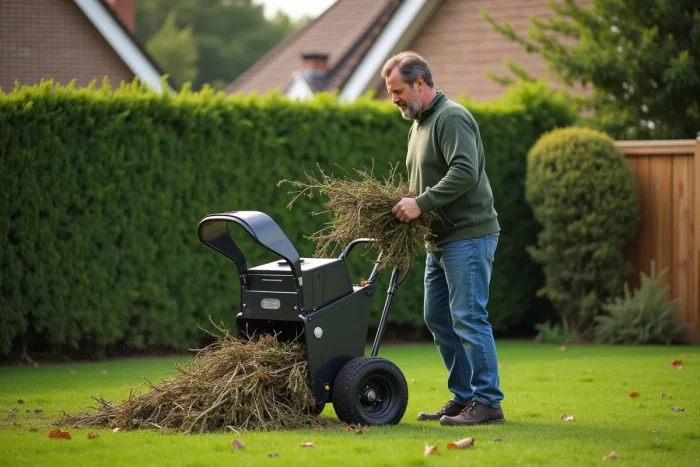
A raw figure is sometimes enough to put everything into perspective: some garden shredders come to a halt at a branch of 36 mm, while others swallow much thicker trunks without flinching. Behind this limit, there are technical choices, sometimes frustrating compromises, and concrete consequences for the user. Turbine shredders, for example, can handle impressive volumes, but their maintenance costs more than that of disc models. Brands do not hesitate to reduce the scope of their warranty if the usage rate exceeds their standards, even on machines labeled “professional.” Finally, the electricity bill and noise levels can vary from simple to triple depending on the chosen technology, directly impacting the comfort of each gardening session.
What is a garden shredder used for and what are the benefits for your garden?
The garden shredder has become an essential ally for any green space enthusiast. It handles branches, shrub trimmings, or foliage, transforming them into mulch or BRF (fragmented branch wood). This material, far from being trivial, becomes the foundation of more responsible gardening. As mulch, it retains moisture, slows the proliferation of unwanted weeds, and nourishes the soil life deeply. When added to the composter, it accelerates the decomposition of organic materials and enriches the soil with a structuring, naturally fertile humus.
The benefits of shredding go far beyond the issue of volume. Reducing green waste lightens trips to the dump, limits the use of bags, and reintegrates a valuable resource on-site. This short loop promotes the gardener’s autonomy while reducing the ecological footprint of their activity.
Another advantage of the shredder: it helps combat diseases and pests. Infected residues, once fragmented, decompose faster and thus slow the spread of pathogens. Spread around plants, the chips provide an aesthetic and protective cover that stimulates local biodiversity.
To choose the most suitable equipment, it’s best to rely on specialized resources. For example, the site broyeur-vegetaux.net offers a well-reasoned selection, with detailed comparisons and practical tests on the page “Best Garden Shredder: Comparison 2026, Tests, and Reviews.” Investing in a shredder then becomes a thoughtful choice, serving a more independent and efficient gardening approach.
What criteria to prioritize based on the size of your garden and your actual needs?
The market for garden shredders offers solutions designed for both city courtyards and wooded parks. Before making a decision, it’s important to assess the area to be treated and the nature of the residues produced. For an ornamental or modest-sized garden, an electric shredder is essential: it is relatively quiet (typically between 81 and 96 dB(A)), easily handles branches up to 35 mm, and requires little maintenance. As soon as the area expands or the volumes increase, thermal models take over, capable of swallowing thick branches and large cutting batches, but they are noisier and less environmentally friendly.
The power of the motor remains crucial. For regular maintenance, a range of 2000 to 2500 W is sufficient. Thermal shredders, much more robust, consume more fuel but can handle heavy work without faltering.
The technical choice also depends on the diameter of the branches to be processed. If your trimmings are regular and involve fine species, a model designed for this size will avoid jams. Some shredders offer a collection bin or a bag, which are practical for collecting the mulch and keeping the area clean after each session.
Safety should never be overlooked. Eye protection, gloves, fitted clothing, appropriate shoes, and for the more powerful models, noise-canceling headphones: these are basics. Regular maintenance, sharpening, cleaning, and checks ensure the longevity of the device and limit risks. In summary, the choice of shredder should align with your actual uses for sustainable and peaceful management of your green waste.
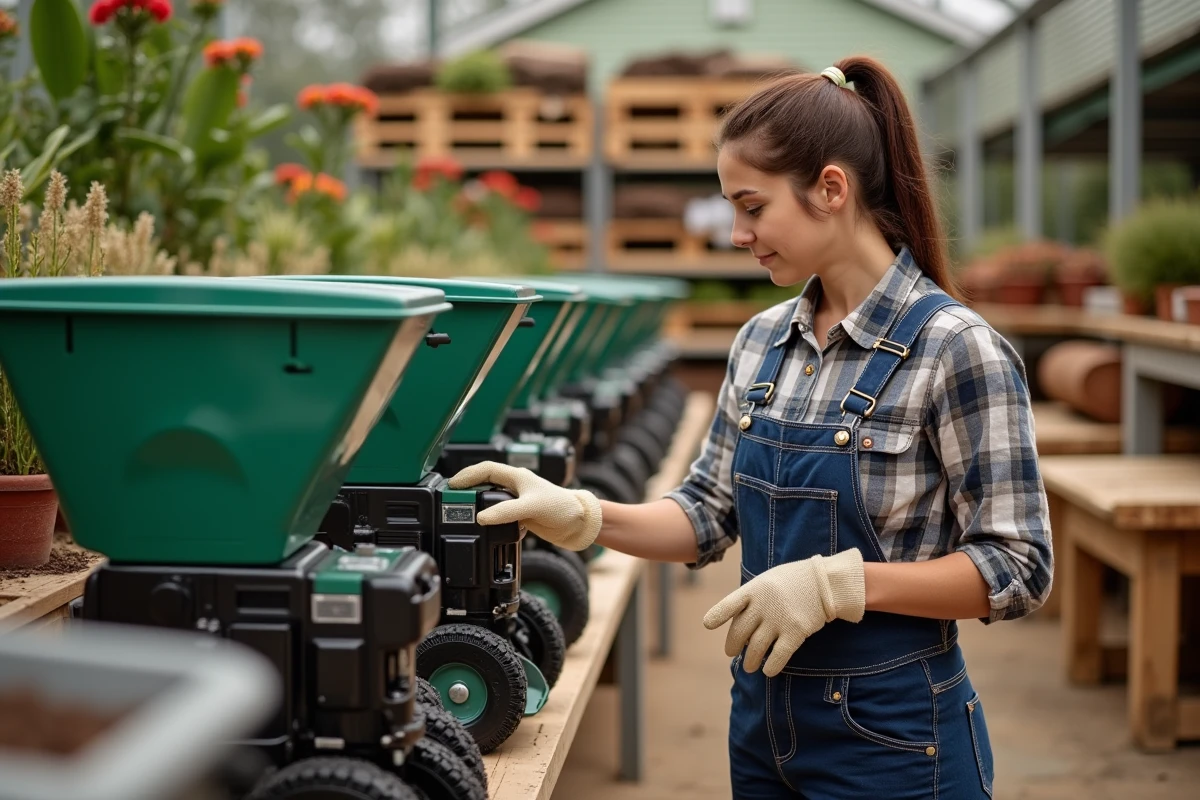
Comparison of the main types of shredders: which one best suits your needs?
The market is divided into three major families, each with its advantages and limitations. Your choice will depend on the type of waste generated and the reality of your terrain.
Blade disc shredder
This system relies on rotational speed: sharp blades rotate quickly to cut branches and foliage. Lightweight and maneuverable, it is suitable for the regular maintenance of a small garden. As soon as the branches become thicker, its limits become apparent. But for softwood and seasonal trimmings, it provides perfect mulch for enriching compost or mulching flower beds.
Rotor shredder
Heavier, the rotor shredder operates on a principle of crushing and cutting. It accepts thick branches (sometimes up to 40 mm) and remains relatively quiet. Its slower pace is suitable for woody waste from a medium-sized garden. The result, less fine, is mainly intended for mulching or long composting.
Turbine shredder
This more advanced model combines power and absorption capacity. Massive branches, tough foliage, or large volumes: nothing stops it. The turbine limits jams and accelerates processing. This type of shredder is clearly aimed at those maintaining large spaces or parks, with volumes and a diversity of waste that require robustness and efficiency.
The final choice is therefore not a formality, but the key to controlled maintenance, where each shredding session becomes a step towards a more autonomous and resilient garden.