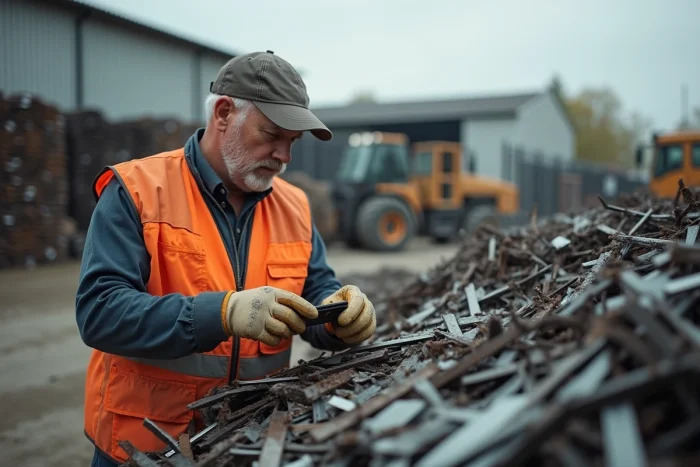
€4.50 per kilo, €7 per kilo, €1.40 for aluminum: there’s no need to complicate things, the prices at Derichebourg are displayed straightforwardly, but they vary according to quality and quantities deposited. These figures change quickly, driven by the global market and local availability, without warning or apology.
Coming to sell stainless steel or lead? Expect a meticulous sorting process: any trace of impurity or mix leads to an immediate discount. The buyback conditions are not the same everywhere; each Derichebourg site sometimes sets a minimum threshold, rarely mentioned on the posters or the official site. It’s better to inquire before going.
What do scrap metal and metal prices look like at Derichebourg in 2026?
The metal market, subject to brutal fluctuations, depends as much on industrial needs as on speculation on raw materials and changes in environmental regulations. Scrap prices at Derichebourg change regularly, a direct reflection of the global context and local supply realities.
Each metal follows its own pricing logic. In 2026, millberry copper is hitting records, boosted by demand in electronics and the energy transition. Clean, well-sorted copper reaches new heights, while less pure variants experience notable discrepancies. Aluminum, highly sought after in industry, sees its price fluctuate according to the quality of the batch and the quantity brought in. Brass, more stable, is not immune to the underlying movements dictated by the international alloys market.
Here are the price ranges observed for the main materials:
- Scrap metal: between €230 and €310 per ton, depending on the type (E40, E8, etc.) and the cleanliness of the batch.
- Millberry copper: over €7000 per ton, with peaks during periods of high demand.
- Brass: from €4200 to €4700 per ton, depending on the proportion of alloys.
- Aluminum: from €1200 to €1800 per ton, it all depends on sorting and the absence of residues.
- Stainless steel: prices adjusted based on nickel content, variations are frequent.
Lead batteries are subject to stricter controls, traceability has been strengthened, and their price depends on both weight and purity. Zinc, more discreet, maintains a stable price thanks to its ongoing industrial uses. Whether for buyback or collection, Derichebourg tailors its services to each client, from individuals to large companies, with clear quotes and detailed billing.
For a reliable and up-to-date overview, always check the information available on the dedicated scrap prices at Derichebourg page: Scrap prices at Derichebourg: Current rates and selling tips – KF Finances. The amounts indicated serve as a basis, but each transaction adjusts according to sorting and waste management constraints.
Factors that affect prices: understanding to better estimate the value of your metals
The prices of scrap metal and metals do not fit into a single equation. They fluctuate under the influence of a multitude of factors, often well known to professionals but rarely explained to occasional sellers. The first lever: the international raw materials market. A surge in copper, triggered by the rise of renewables or an industrial recovery, leads to an immediate increase in buyback prices at Derichebourg.
The season also plays a role. Major construction campaigns, off-peak periods, collection operations: all of this temporarily alters the volumes exchanged and affects the displayed prices. Environmental regulations, increasingly strict, impose specific recycling channels, especially for sensitive waste like batteries or certain special steels.
The state of the regional market also matters. Too much scrap on site? Prices drop. A shortage of aluminum? Prices rise. Finally, the quality and weight of your batch make a difference: clean, stripped copper trades much better than a mixed or contaminated lot.
Here are the main elements that weigh on the buyback value:
- Technological innovations: new industrial methods, batteries, renewable energies, all of this drives demand for certain metals.
- Regulations: changes in sorting or waste management standards, which can limit or, conversely, favor certain channels.
Considering each criterion gives you the means to obtain the most accurate estimate. The market does not make concessions blindly, but it rewards preparation and transparency.

Selling scrap at Derichebourg: practical tips to maximize your gains and obtain a quote
Preparing your batch starts with meticulous sorting. Distinguish each metal: copper, brass, aluminum, stainless steel, without mixing anything. A well-insulated copper cable, perfectly stripped millberry copper, is worth significantly more than a mixed pile.
Pay attention to presentation: no dirt, no residues, no insulation. Weight and purity directly affect the offered price. Bring lead batteries and electrical or electronic devices separately for a clear and quick estimate.
Before selling, check the raw material prices. Derichebourg’s rates follow the global market trend. Always request a written quote: it details the current rate structure, in euros per ton or per kilo depending on the material.
On-site, prepare the necessary documents: ID card, proof of origin, declaration for certain specific waste. This simplifies the transaction and speeds up processing. For significant volumes, consider requesting an on-site collection: Derichebourg offers tailored logistical solutions, whether for professional or industrial waste.
Selling your scrap is never trivial. Every kilo, every action counts. And if well prepared, your transaction can turn simple waste into real value.