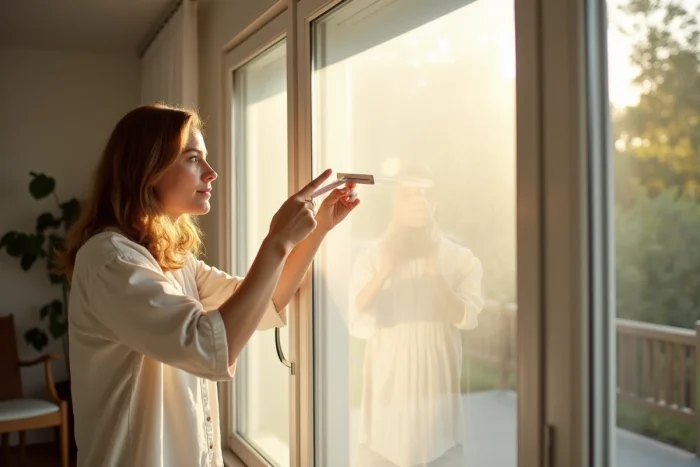
What part of indoor overheating actually comes from windows, and which solutions offer the best balance between thermal reduction and preserved brightness? Window insulation against summer heat relies on measurable physical mechanisms, and not all options are equal depending on orientation, type of glazing, or the occupancy status of the dwelling.
Solar factor and Uw coefficient: the data that guide the choice of glazing
The solar factor (Sw) of glazing measures the proportion of solar energy transmitted indoors. Single-pane glass allows most radiation to pass through. Standard double glazing reduces this transmission, but it is the solar control glazing that shows the most significant difference.
The Uw coefficient (thermal transmission of the complete window, including the frame) complements the analysis. The lower it is, the less heat passes through. These two indicators allow for an objective comparison of configurations.
| Type of glazing | Solar factor (Sw) | Heat resistance performance | Preserved brightness |
|---|---|---|---|
| Single glazing | High | Low | Maximum |
| Standard double glazing | Medium | Moderate | Good |
| Solar control double glazing | Low | High | Good to fair |
| Triple glazing | Low | High | Reduced |
Triple glazing excels in winter insulation, but its ability to block summer heat is not proportionally superior to that of solar control double glazing. For south or west orientation, solar control glazing offers the best heat-light compromise.
To better understand how to limit heat in summer through windows, it is also necessary to consider what happens outside the glazing, not just through it.
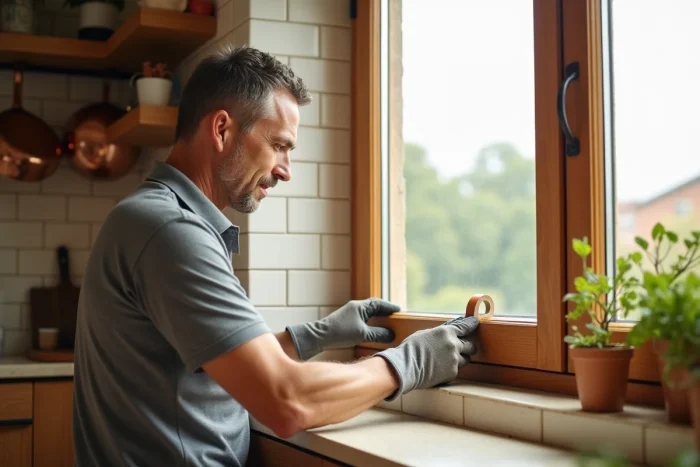
External solar protections: why they outperform interior devices
A thermal curtain or an interior blind intercepts solar radiation after it has passed through the glazing. The heat is already in the room. The fabric absorbs part of this energy, partially releases it by convection, and the greenhouse effect between the curtain and the glass amplifies local heating.
A shutter, external blind, or louver blocks radiation before it reaches the glass. The performance difference is marked: studies on residential buildings show that closed external protections during the day significantly reduce air conditioning needs, far beyond what an interior curtain alone achieves.
Shutters, louvers, and roller blinds compared
Roller shutters provide total blackout but eliminate natural light. Adjustable louvers allow for control: slats tilted at 45 degrees block direct radiation while allowing air circulation and filtering diffuse light.
Roller blinds (or projection blinds) represent an interesting compromise for windows without shutters. Their technical fabric stops a large portion of solar radiation before it reaches the glazing, and their installation remains reversible in most cases.
- Roller shutters are suitable for west-facing rooms where late afternoon sunlight is low and intense, but they plunge the room into darkness.
- Adjustable louvered shutters offer the best balance between solar protection, natural ventilation, and residual brightness.
- Roller blinds adapt to facades where the installation of shutters is not possible (condominiums, listed buildings) and remain removable for tenants.
Selective solar films: a technology to distinguish from tinted films
Window films do not form a homogeneous category. Classic tinted films darken the room by reducing overall light transmission. Selective solar films, of more recent design, target infrared radiation (which carries heat) while allowing a much higher proportion of visible light to pass through.
This selectivity changes the game for living spaces where natural lighting remains a priority. A selective film applied to standard double glazing significantly improves the solar factor of the window without needing to replace the glazing. The cost is significantly lower than that of a new window, and the installation remains reversible, which is suitable for tenants.
Limitations to know before installation
A solar film does not correct a sealing defect in the frame. If the seals are worn, warm air enters by convection, not by radiation. The film only acts on solar transmission through the glass.
On single glazing, the installation of a selective film can cause asymmetric heating of the glass and, in some cases, a risk of thermal breakage. Checking the compatibility of the glazing-film is a technical prerequisite that should not be overlooked.
RE2020 and summer comfort: what the regulation imposes on new builds
Since the implementation of RE2020, French regulations include a summer comfort indicator called DH (degree-hours of discomfort). This threshold requires builders to limit overheating in new homes, particularly through the choice of solar control glazing and external solar protections.
For existing buildings, no comparable obligation exists. However, the DH indicator provides a useful framework: it encourages prioritizing the most exposed openings (south and west) and combining high-performance glazing with external protection rather than relying on a single device.
This combined approach (low solar factor glazing + louver or external blind + selective film as needed) remains the most effective strategy to reduce overheating without resorting to air conditioning. The choice between these solutions depends on the orientation of the windows, the available budget, and the tenant or owner status, three parameters that weigh more heavily than any marketing argument for an isolated product.