
One in five French people is over 65 years old, and this proportion continues to grow. However, access to suitable devices remains unequal depending on the place of residence, level of information, or family situation. Some aids, although provided for by law, remain unknown and underutilized.
Innovative devices are emerging, supported by local authorities or associations, while coordination among professionals in the sector is evolving. The markers for navigating the offers, understanding the procedures, and anticipating needs are changing rapidly, pushing everyone to seek information to adapt.
Aging well today: understanding the challenges and needs of seniors
Aging in France is not just about coping with the passing years. It involves managing, often quietly, an accumulation of challenges that intrude on daily life. Autonomy remains a priority, but it faces the reality of chronic illnesses, diabetes, hypertension, respiratory failure, and the slow rise of conditions like Alzheimer’s or Parkinson’s. These diseases erode freedom of movement, disrupt familiar markers, and weigh on families.
With age, the risk of falling increases: a simple slip can lead to a fracture, and each accident can turn a well-organized life into dependency. Social isolation, too common among the elderly, reinforces this risk. It is not just about loneliness: mental health deteriorates, motivation wanes, and fragility sets in. Yet, social connections remain one of the best defenses. Keeping in touch, seeing people, also helps maintain the ability to stay active and in control of one’s choices.
The needs of seniors go far beyond medical appointments. They touch on how to eat, move, sleep, and also the quality of housing. An unsuitable apartment poses a constant danger. Conversely, adapted physical activity, even modest, helps maintain flexibility and self-confidence. To gain clarity and find concrete solutions, it is better to rely on trustworthy resources such as senior information on Medic Com: it offers practical advice, reliable markers, and tips for anticipating difficulties.
What practical advice is there to preserve health, autonomy, and well-being?
Strengthening health after 65 is not about a revolution, but about constant attention to a few fundamentals. Nutrition, first: vary meals, prioritize fresh products, limit excess salt, sugar, or fats, and remember to drink enough. These details, when added together, reduce vulnerability and slow the progression of chronic diseases.
Staying active, even moderately, makes a difference. The World Health Organization recommends 150 minutes of physical activity per week: walking, gentle gymnastics, swimming, or tai chi. The goal is not to achieve records, but to cultivate balance and mobility, without putting oneself in danger or exhausting oneself.
Sleep, often disrupted with age, also deserves a central place. Going to bed at a regular time, reducing screen exposure in the evening, creating a relaxing atmosphere: these habits promote truly restorative rest. A short nap after lunch can also provide real benefits without compromising nighttime sleep.
Adapting housing is no longer just about comfort, but about daily safety. Securing the bathroom, installing handrails or grab bars, consulting an occupational therapist to assess real needs: these often simple actions can prevent many disappointments. This professional will know how to distinguish between the essential and the superfluous, to target the adjustments that really matter.
Finally, the strength of social connections should not be overlooked. Joining a club, getting involved in an association, increasing exchanges with family or neighbors: all these initiatives boost morale and help maintain autonomy longer. It is this set of actions, sometimes modest, that builds a more serene and freer daily life.
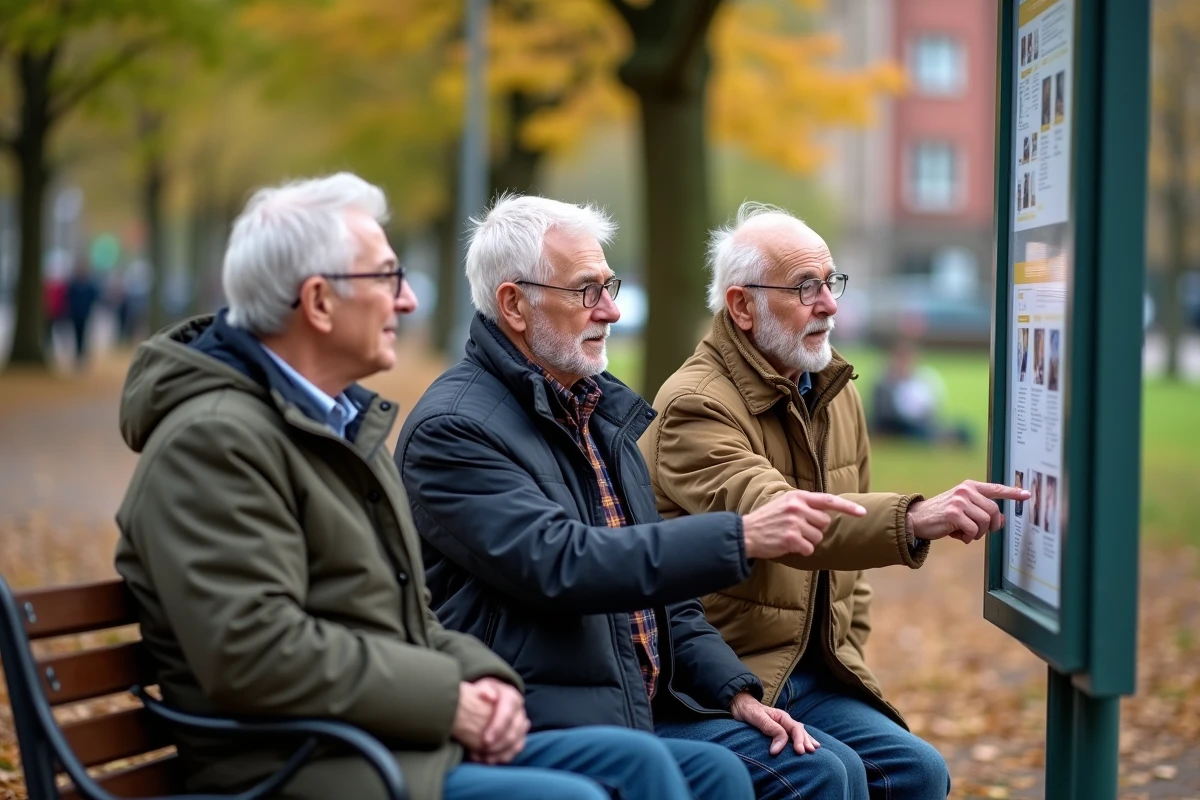
Overview of resources and solutions available for seniors and their families
Having a range of solid resources structures the lives of seniors and those who support them. Several financial aids exist, starting with the APA, which facilitates staying at home by covering, depending on the level of dependency, part of the cost of professional help. The ASPA, on the other hand, guarantees a minimum income for those with limited resources.
To support daily life, various home services have developed. Here are the main solutions offered today:
- Housekeeping assistance for routine maintenance
- Meal delivery to ensure a varied and balanced diet
- Home nursing care to ensure regular medical follow-up
- Teleassistance, which provides extra security, especially in case of a fall or malaise
Professionals can also intervene to assess and adapt housing: an occupational therapist offers concrete and personalized solutions, from simple support to complete transformation of the bathroom. The MaPrimeAdapt’ service can cover up to 70% of the expenses incurred for these works. Some retirement funds and local authorities also provide support, and the tax credit reduces the final cost of adjustments.
In daily life, several organizations play a role in providing support and assistance:
- SAAD (home help and support services)
- SSIAD (home nursing services)
- SPASAD (structures combining help and care)
Family caregivers are not isolated: they can rely on a network for listening, information, and coordination, supported by CLIC and CCAS. These local organizations offer personalized advice, direct to suitable devices, and assist with administrative procedures.
| Type of aid | Example | Objective |
|---|---|---|
| Financial | APA, ASPA, MaPrimeAdapt’ | Finance autonomy, adaptation, minimum income |
| Services | SAAD, SSIAD, meal delivery | Support daily life at home |
| Support | CLIC, CCAS, family caregivers | Inform, coordinate, support |
Staying informed, identifying the right contacts, activating the right levers: all this requires time and perseverance. But every step in this direction is a life that gains in comfort, dignity, and freedom. After all, aging well also means being able to continue choosing one’s markers, pleasures, and pace, through the seasons and despite the obstacles imposed by age.